R Set Testing on the Main North
Spotting the R sets doing testing on the Main North at Hornsby & Wondabyne, and an XPT at Woy Woy
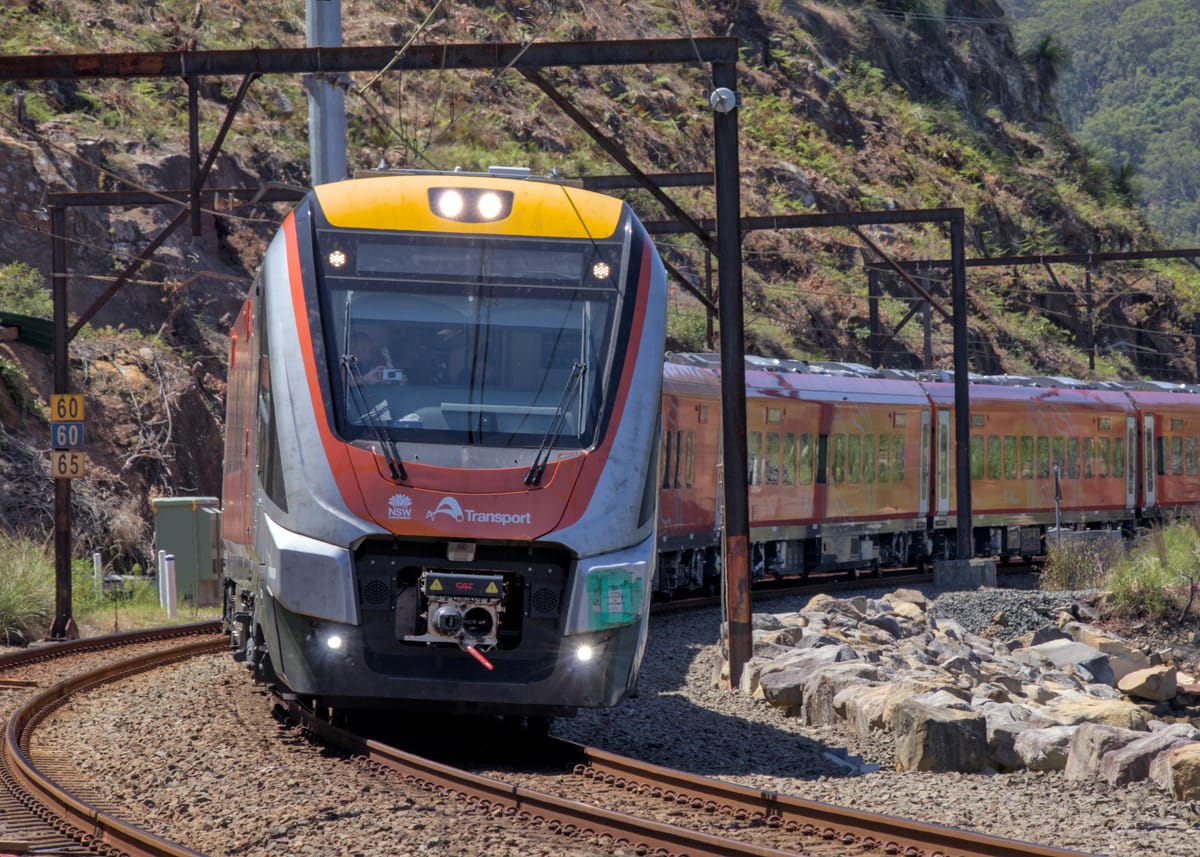
More than a decade after the Coalition Baird Government pledged to replace the XPT fleet, regular testing of the new trains, known as the New Regional Fleet (NRF), or R sets, has commenced across the network, with scheduled test runs visible in publicly available timetable data.
The contract for building these trains was awarded to a consortium in February 2019, and the first train arrived in Dubbo in February 2024 to the newly-built Mindyarra Maintenance Centre.
The NRF is made up of 117 bi-mode CAF Civity carriages, which will form 29 trains, ultimately replacing the entire regional fleet including Xplorers & Endeavours. However, no sleeper replacements have been ordered at this stage, although the XPT refurbishment program, announced in February of last year appears to be addressing this, at least in the interim.
It is still unclear when the R sets will begin passenger service, and testing is expected to continue for some time.
Background on the XPT
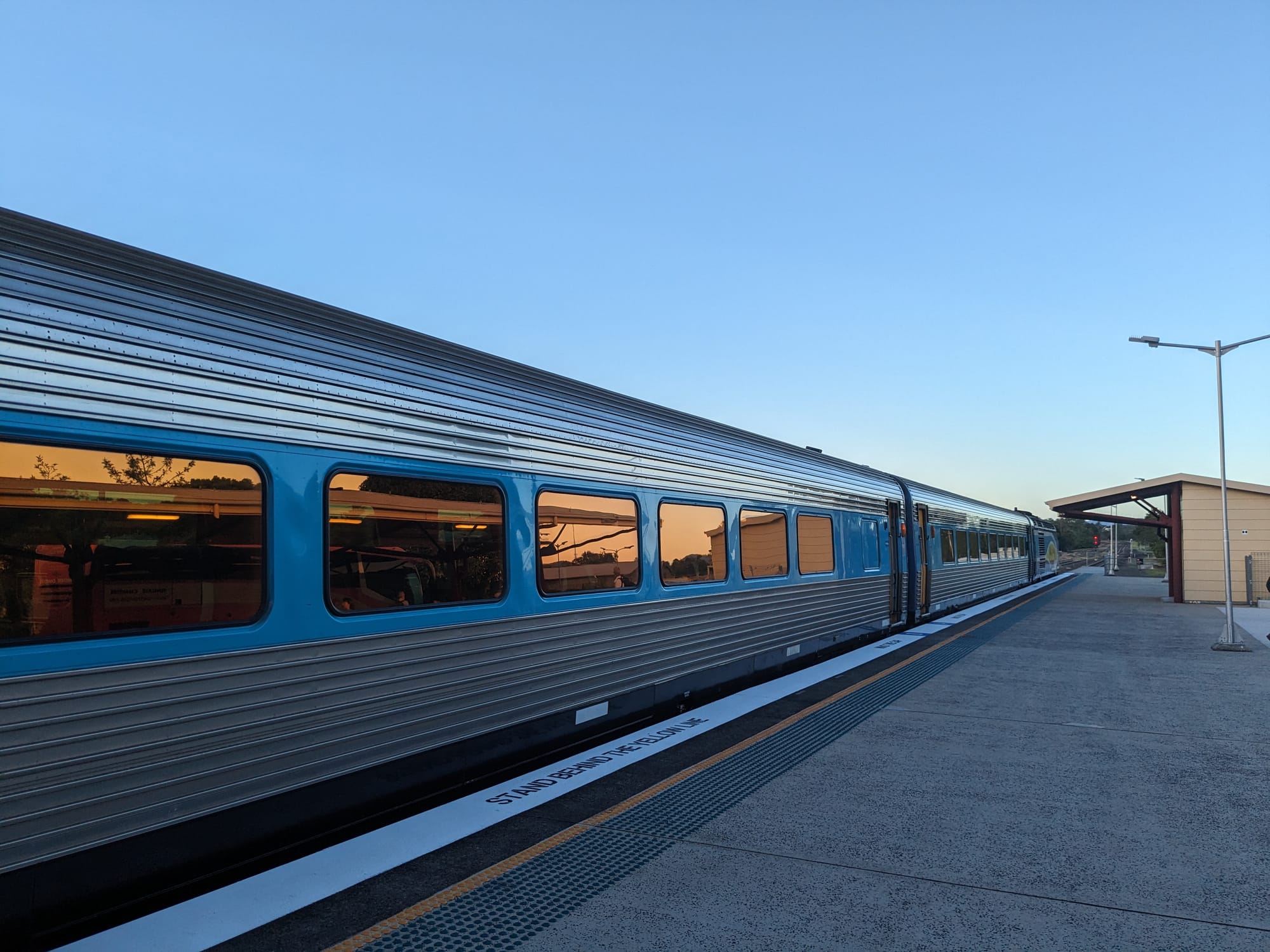
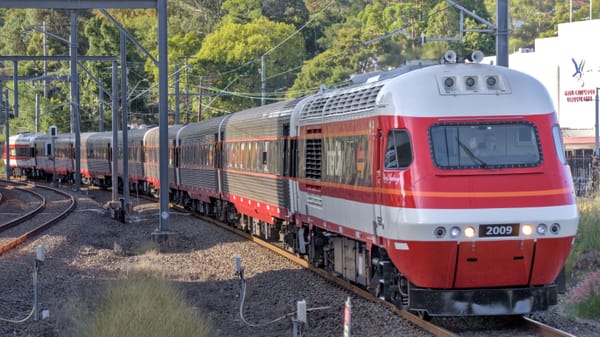
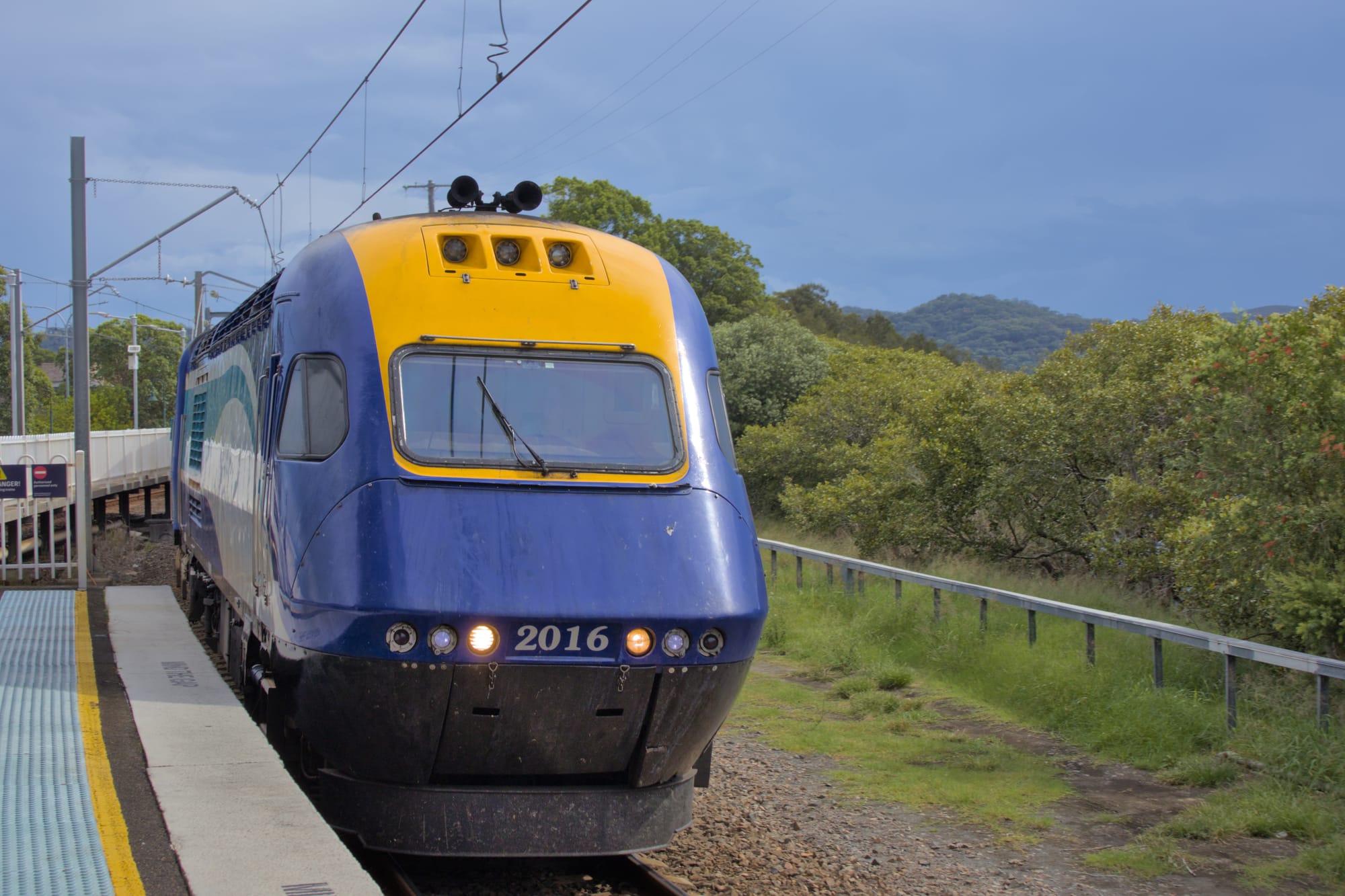
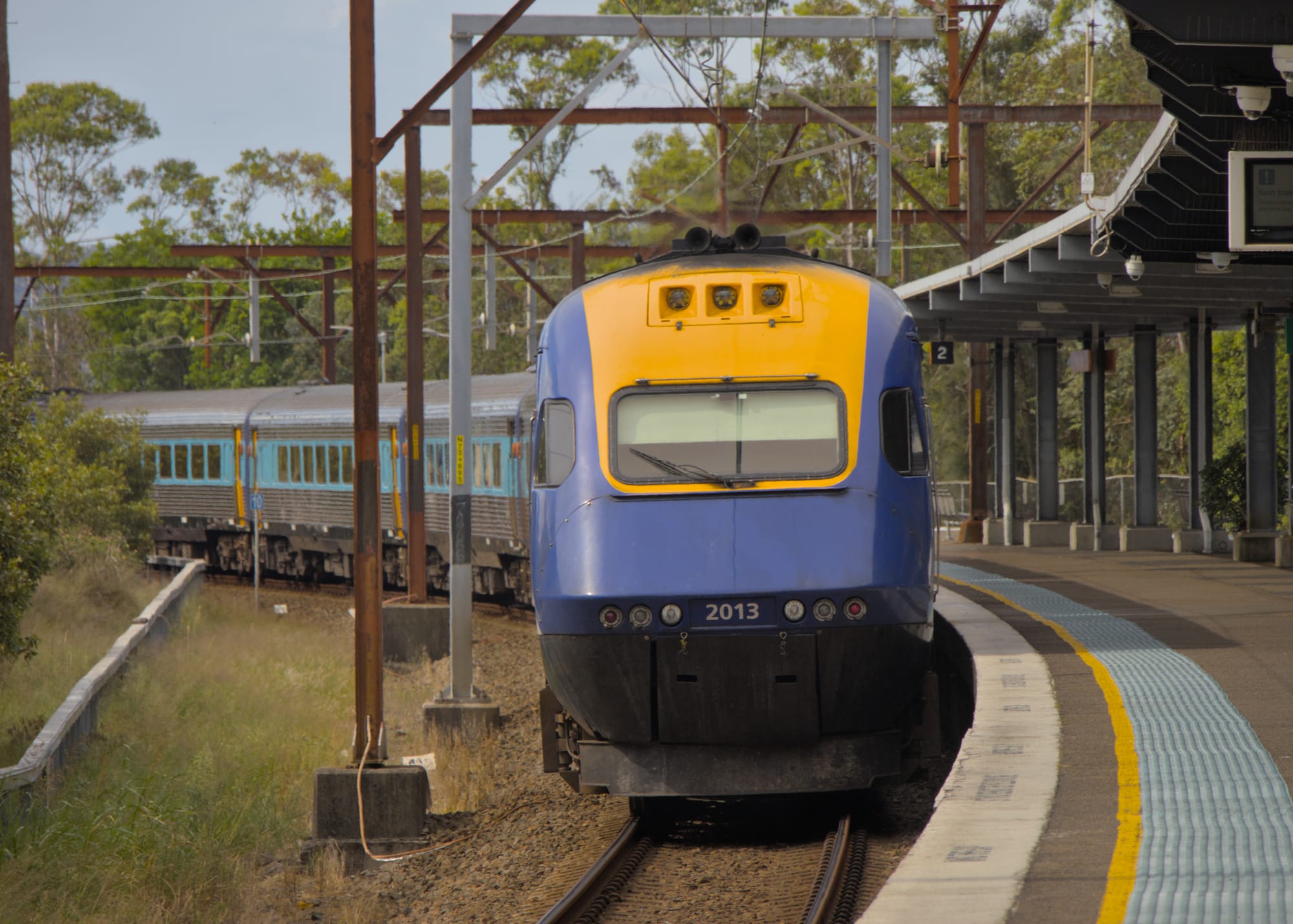
The NSW eXpress Passenger Trains, or XPTs (probably one of my favourite trains) began service in 1982 and currently operates routes between the capitals of Sydney, Brisbane and Melbourne, as well as the regional centres of Dubbo, Grafton and Casino (pictured above). Unlike the R sets (which are hybrid DMUs), the XPTs are arranged in a push-pull configuration with two power cars at both ends of the train.
They run in 5 car sets, being expanded to 7 cars in peak season (excluding power cars).
Spotting
Timetable data for R set test runs can be found on TripLists. Not all testing is done in daylight; some tests are conducted at odd hours in the middle of the night. Also, the timetable is not always strictly adhered to, as we later discovered.
Today (the 21st), the timetable indicated that a test train would be running on the Main North between Concord West and Morisset, giving us two opportunities to spot it (the trip to Morisset and the return). My friend and I initially wanted to spot the down trip at Mount Colah, then return to Hornsby for lunch before spotting the return up run at Wondabyne. However, the initial run was almost half an hour ahead of schedule, so we did not have enough time to make it to Mt. Colah and instead had to capture our first photos at Hornsby.
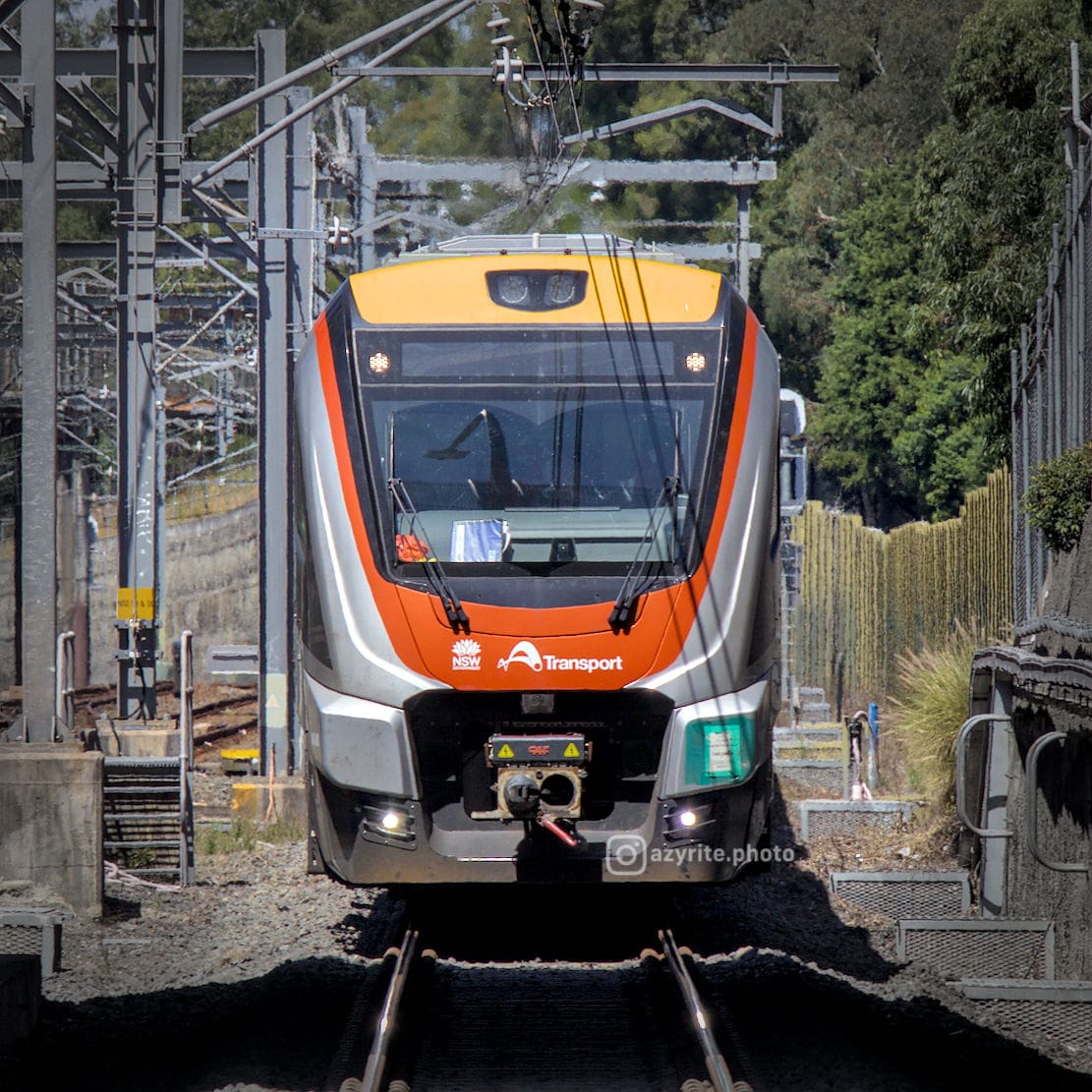
Afterward, we proceeded to Wondabyne, which was surprisingly busy, both with passengers and rail traffic.
Wondabyne
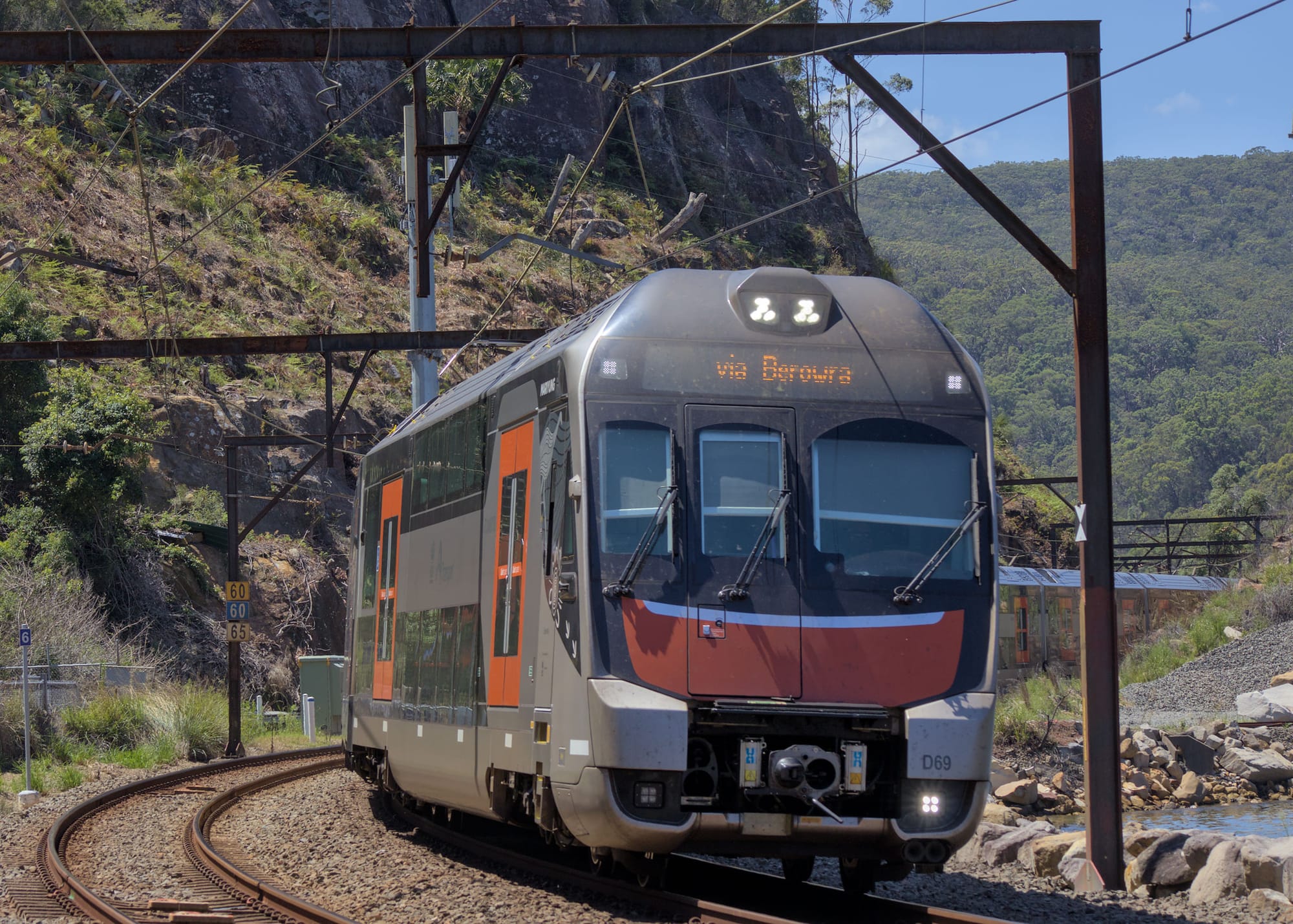
Initially, the plan was just to capture some Mariyungs and the R set at Wondabyne before wrapping up, although we were pleasantly surprised by a couple freight trains that we didn't take into account.
Special mention to the driver of the SCT Logistics train (pictured below) who gave us an incredibly loud and long whistle.
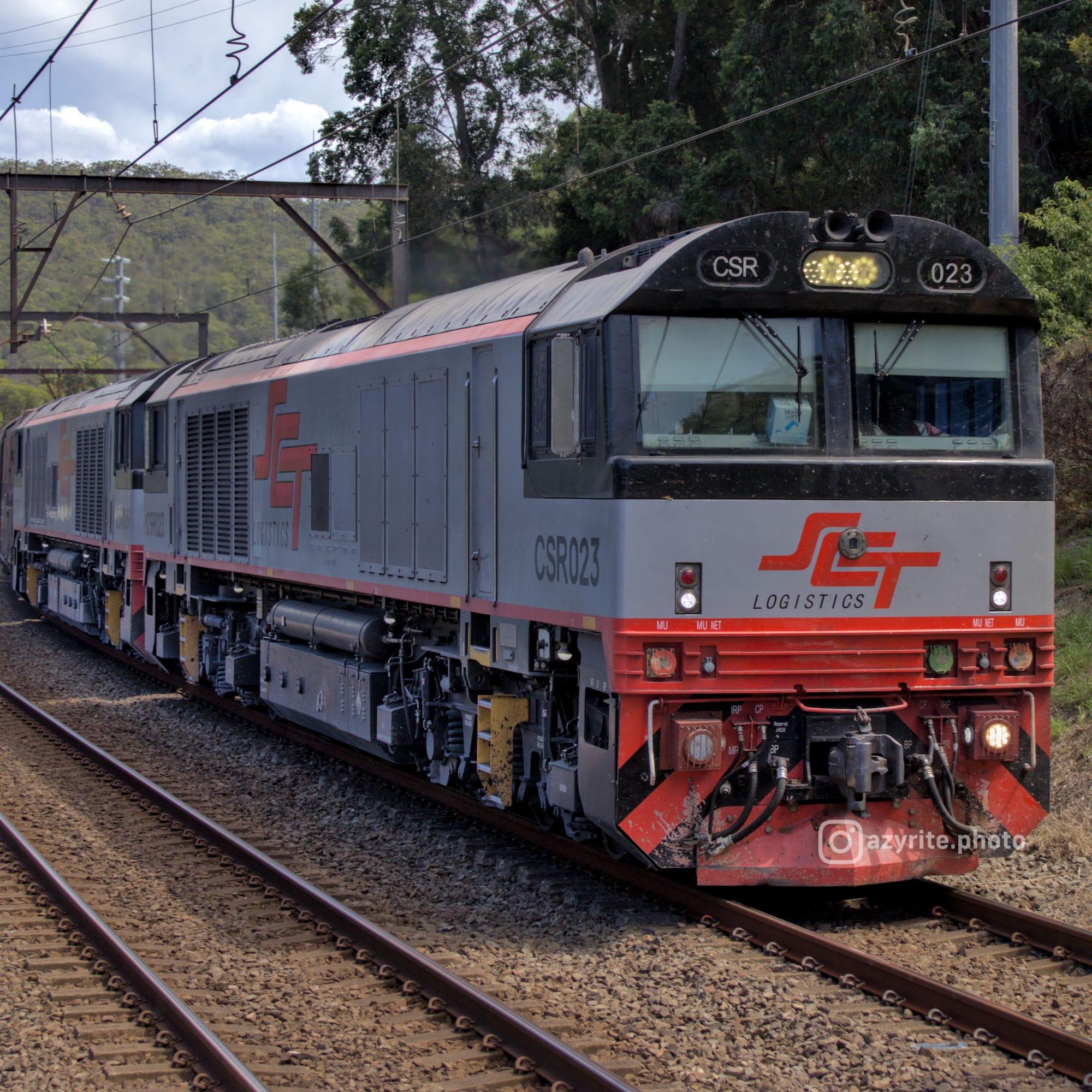
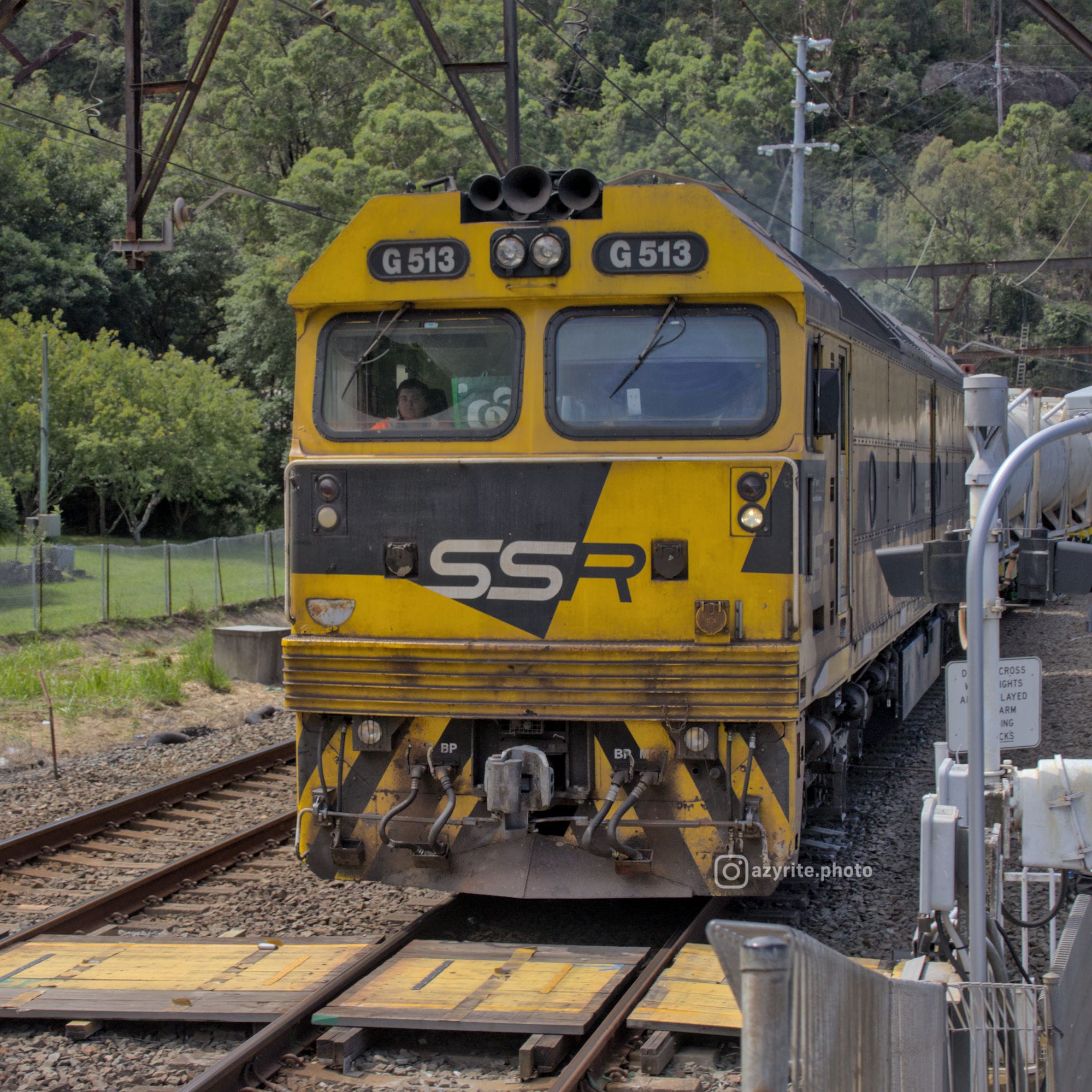
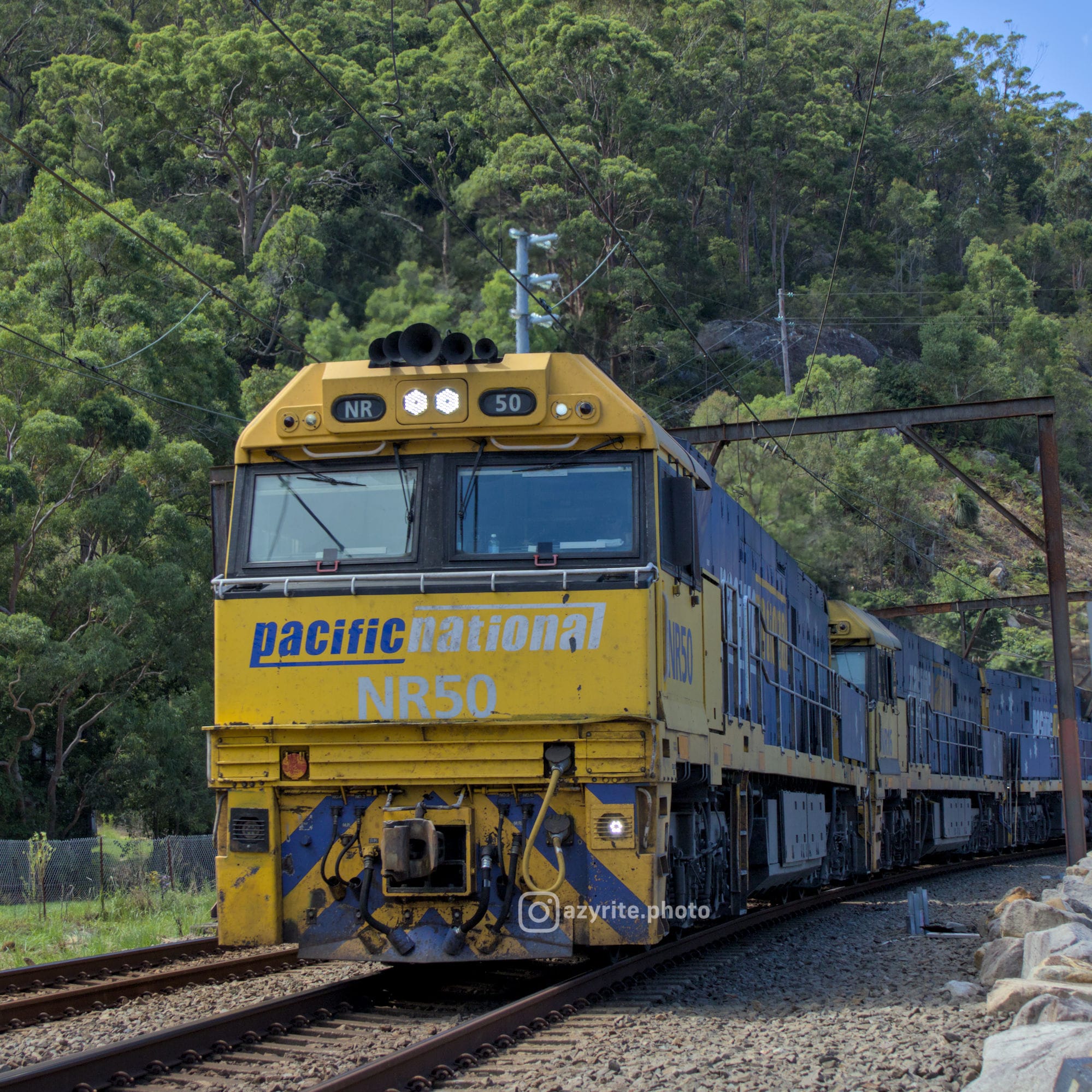
Locomotives of Wondabyne — Left to right: SCT freighter led by CSR023, SSR hauling tankers led by G513, NR50 leading a freight train
We ended up staying at Wondabyne a little longer than expected after the R set passed through as there were operational issues with the train that was meant to take us back toward Sydney, resulting in it running approximately thirty minutes late.
Instead of waiting for the delayed train to Sydney, we decided to catch the next Wyong service to Woy Woy and spot the Brisbane XPT there.
Woy Woy
Just before the XPT, the Moree/Armidale Moridale Xplorer passed through the station, although it appeared to be doing close to line speed and I didn't have enough time to get any shots worth sharing.
On the other hand, I was definitely prepared for the Brisbane XPT, and the driver also gave us a quick whistle.
The Great Southern
Due to an evening occupation on the Central Coast and Newcastle line, the timetable for the Great Southern (an experiential long-distance train run by Journey Beyond) was brought forward. This gave us an opportunity to spot it at Hornsby on the way back to Sydney.
Even though it was technically ahead of (regular) schedule, the train still ran about fifteen minutes behind its amended time, which is not unusual as I am told.
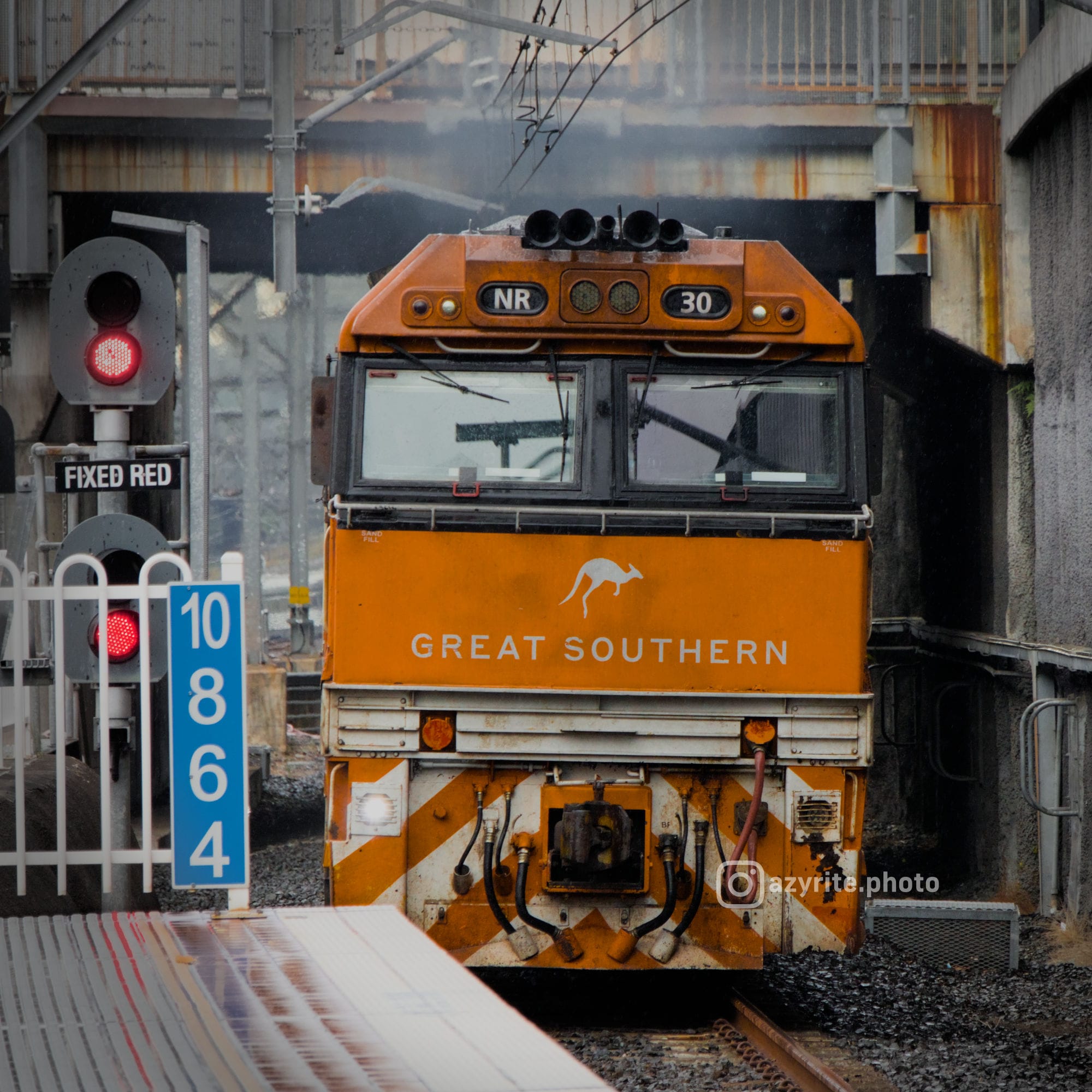
The orange Great Southern liveried NR class was pretty dirty and appeared to struggle up the grade as it approached the station, emitting large puffs of grey-black smoke. Coincidentally, the thunderstorm predicted for the afternoon began to roll in at this point, making for a cool photo in the rain.
A regular Pacific National NR class followed behind the leading NR30.
It was displayed on Anytrip as an 11-car Heritage "Z set", although the operator was identified correctly when viewing additional details. I didn't bother to count exactly, but the actual length of the train appeared to be about twenty carriages long, not the 11 reported.
Closing Thoughts
I have mixed feelings about the NRF. In some ways, it feels like a missed opportunity to boost regional rail services, in particular, frequency. There are only enough trains to just about replace the current regional fleet, but not any more to meaningfully increase frequencies. I have no surveys or data to back my point up, but as Sydney to Melbourne is one of the busiest domestic air routes in the world, (in a country of under 30 million), it seems demand does exist for interstate rail, and adding a couple more trains between our state capitals could have very well been possible if additional sets were tendered.
I did take an XPT almost all the way to Brisbane (which is how I got the photo of it at Casino) back in 2023, with it terminating short at Casino due to trackwork. It was a fairly smooth and quiet ride but its definitely not fast, although that won't change with the NRF — the speed is primarily limited by the route and track geometry not the vehicle. I have my concerns about the DMU nature of the R sets though, as 12-14 hours with an engine rumbling beneath your feet probably isn't the best feeling (albeit this is already true for the Broken Hill Xplorer), especially compared to the silence of a well-soundproofed interior and separated power cars.
However, I want to refrain from expressing a strong opinion on passenger comfort until I've actually experienced the NRF trains for myself.
The bi-mode operation is nice, although it likely won't matter as much for longer journeys which will be mostly without OHW anyways. Also, the 1500V DC systems are incompatible with Brisbane's 25kV AC too, so they'll have to run diesel all the way into Roma Street in the future as well.
Reliability is yet to be seen; in theory DMUs could be more reliable than locomotive-hauled services as the train wouldn't be stranded if one engine failed, with the other power cars picking up the slack. However, its unclear if the CAF Civity has been adapted to Australian conditions given that it is primarily a European train. A major difference that is immediately visible is the comparative lack of tinting on the windows — compare the fairly transparent windows of the Civity with the copper tinted windows of the XPT:
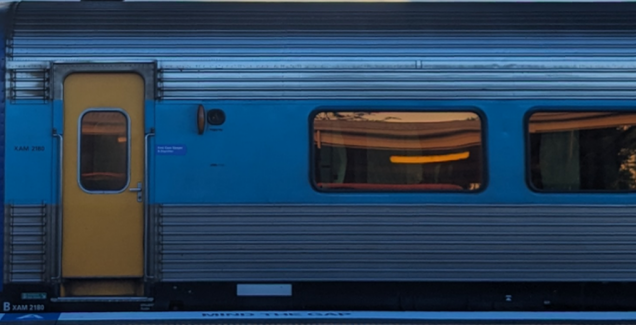
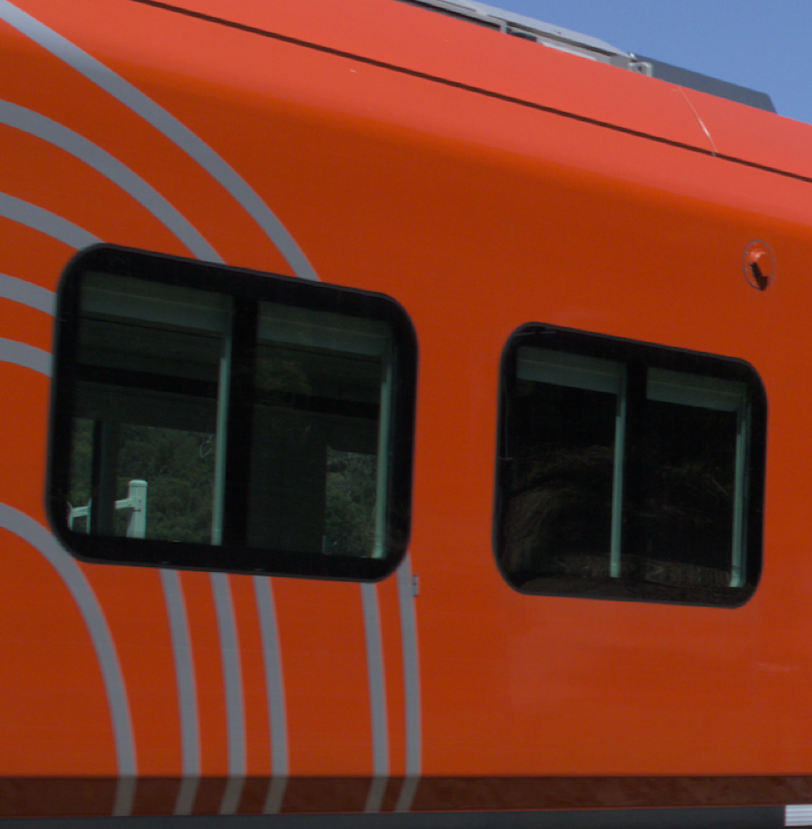
Golden-coloured tinted windows the XPT against the
However, the copper tint inside the XPT windows is known to limit and sometimes entirely block mobile signal, whereas the NRFs are promised to have on-board WiFi along with other modern amenities.
Accessibility is also be improved on the NRF, with Transport for NSW's concept art demonstrating this.
Overall, without actually having experienced passenger service on the New Regional Fleet, it's difficult to draw conclusions regarding comfort and service. No solid guidance has been published as to when the R sets will enter service to my knowledge, but some suspect it will be later this year.
Additional References
Some information on the NRF is sourced from the TfNSW project page regarding Regional Rail, and also the archived version from 2024.